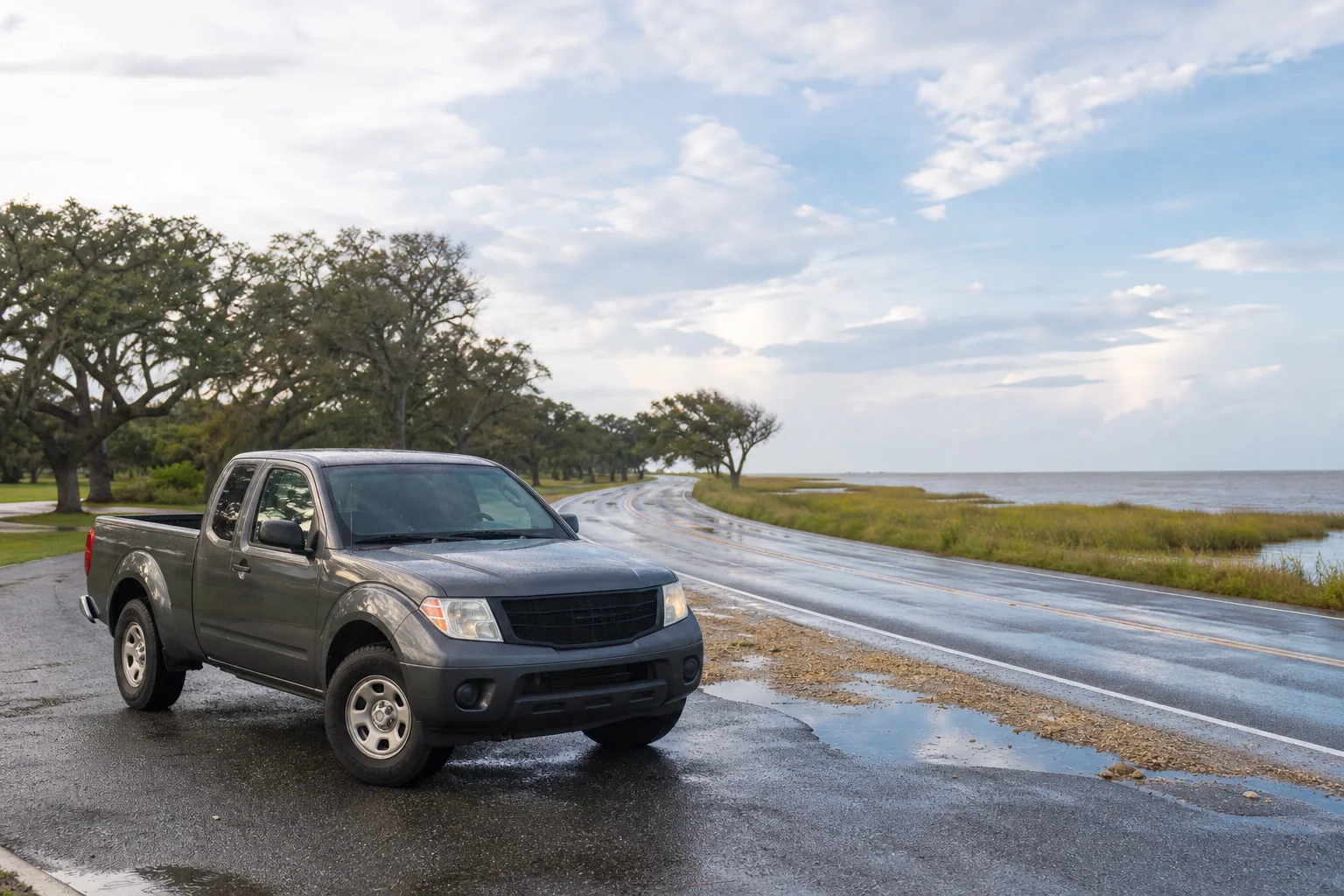
Gulf Coast condition review
Gulf Coast Used-Car Rain and Flood Inspection Preparation
Heavy rain, standing water, humidity, coastal air, and storm history give Gulf Coast shoppers additional questions to ask about a used vehicle. This guide supports shoppers using the Corpus Christi, Pasadena, and Beaumont pages with a careful process for title research, water-damage inspection, wet-weather equipment, insurance, financing, and confirmed travel.
Reviewed July 21, 2026 · Official resources linked below
Explore EZ Keys options across Texas Gulf Coast, or use the statewide Texas location and financing guide to choose another city.
Texas vehicle-shopping guidance
Use records and inspection together when water damage is a concern
Start with the VIN and use Texas Department of Motor Vehicles Title Check resources to review reported title history, including brands associated with flood or salt-water damage. Match the VIN on the report with the vehicle and every transaction document. A reported brand is important information, but the absence of one is not proof that a vehicle never encountered water. Records can be incomplete or delayed. Treat the title report as one layer alongside the Buyers Guide, service records, a detailed physical inspection, and questions answered in writing.
TxDMV identifies clues that may justify further investigation: water residue or grit, staining beneath carpet, musty odors, unusual rust in protected interior areas, dried mud under the dashboard, corrosion around wiring, and debris in component recesses. None of those observations should be interpreted carelessly. An air-conditioning drain leak, ordinary surface corrosion, recent detailing, and major submersion are not the same event. If something appears inconsistent, pause and ask an independent qualified mechanic to inspect the vehicle rather than guessing from smell or appearance.
Electrical effects can emerge in intermittent ways, so test every accessible function and ask the inspector to examine wiring, connectors, modules, grounds, charging, starting, lighting, windows, locks, seat controls, safety-system warning lights, cameras, sensors, audio, climate controls, and diagnostic codes. Also inspect the spare-tire well, trunk seams, under-seat areas, engine compartment, and undercarriage. A history report cannot reproduce this physical review, and a clean test drive cannot reveal every hidden connector. The evidence should be considered as a whole.
Texas vehicle-shopping guidance
Evaluate the systems needed for rain and coastal use
Wet-weather preparation begins with tire condition, not just tread depth. Check age, matching type, pressure information, cuts, bulges, repairs, and even wear. Uneven wear may point to alignment or suspension issues that should be evaluated. Test brake feel in lawful conditions and ask for measured brake findings during inspection. Confirm that headlights, tail lamps, brake lamps, turn signals, hazard lights, wipers, washer fluid, defogging, mirrors, and cameras operate correctly. Visibility equipment that works on a dry afternoon can become essential during a sudden downpour.
Humidity and coastal exposure deserve a patient corrosion review. Surface oxidation, structural corrosion, salt exposure, and a flood event are different conditions, so ask the inspector to characterize location and severity rather than using one broad label. Examine fasteners, brake and fuel lines, suspension mounting areas, exhaust, body seams, battery terminals, and electrical grounds. Ask whether corrosion affects safe operation, serviceability, or near-term repair needs. Do not assume that a recently cleaned undercarriage proves a problem, but do not let fresh appearance substitute for examination.
Cooling and air conditioning also matter in stop-and-go Gulf Coast heat. Bring the vehicle to operating temperature, observe warning lights and gauges, and test air delivery at idle and on the road. Check for fluid leaks and ask about battery, coolant, belts, hoses, and service history. If the vehicle will carry family, tools, or emergency supplies, verify cargo security and payload needs. Extra equipment adds weight and space demands, so test the real configuration rather than relying on published cargo figures alone.
Texas vehicle-shopping guidance
Do not turn storm urgency into purchase urgency
After a storm, transportation needs can feel immediate, inventory and operating hours may change, and roads may remain unsafe. National Weather Service guidance is clear that drivers should not enter flooded roadways. A vehicle appointment is never a reason to drive around a barricade or through water. Wait for a confirmed destination and safe route, then check current official conditions. If the location, vehicle, or inspection cannot be confirmed, reschedule rather than letting a deadline eliminate the review steps that protect the buyer.
Photographs can help narrow choices, but they cannot show odor, intermittent electrical operation, under-carpet residue, corrosion inside connectors, brake measurements, or cooling performance. Request the VIN, Buyers Guide, available history, and specific disclosures before making a long trip when possible. Ask whether an independent inspection can be arranged and who will be present. A location response or appointment does not reserve the vehicle, guarantee its condition, or promise financing. Confirm each item separately and keep the response in writing.
Insurance deserves early attention. Obtain a VIN-specific quote and disclose the intended use accurately. Ask the insurer which physical-damage coverages, deductibles, lender requirements, and storm-related exclusions or limitations apply to the proposed policy. Insurance terms are separate from any service contract or dealer warranty. Do not assume that financing automatically provides the coverage the contract requires, and do not rely on a general estimate for a different vehicle when deciding whether the full transportation budget works.
Texas vehicle-shopping guidance
Complete the financing and city-specific follow-up
Condition questions and financing questions must both be resolved. Review the cash price, down payment, trade figures, taxes and fees, amount financed, APR, finance charge, payment schedule, total of payments, optional products, and insurance requirements for the actual VIN. Ask whether a warranty or service contract covers corrosion, electrical issues, water intrusion, or other concerns; exclusions and claim procedures matter more than the product name. Get any condition-related promise in writing and make sure the final Buyers Guide and contract are consistent.
Greater Houston shoppers can choose locally researched pages for Sugar Land, Missouri City, Tomball, Cypress, Katy, Pearland, Alief, Richmond, Conroe, Atascocita, or Humble. Corpus Christi provides Coastal Bend context, Pasadena covers an eastern Houston-area industrial corridor, and Beaumont covers Southeast Texas. Each resource connects to current vehicle examples and a service-area inquiry. Verify the EZ Keys dealership, physical vehicle location, hours, financing availability, written terms, and appointment before travel; a market page does not place a dealership branch or a particular vehicle in that community.
Keep the water-damage review proportional and evidence-based. A buyer should neither dismiss a warning sign nor declare a vehicle damaged without support. Record the title result, observed clues, inspection findings, questions, written answers, insurance quote, and repair considerations. If important uncertainty remains, choose another vehicle or obtain a deeper specialist evaluation. Walking away from an unresolved candidate is different from concluding that every Gulf Coast vehicle has storm damage; careful screening protects good decisions without making unsupported assumptions.
Save this list
Practical checklist before the next step
- Match the VIN and obtain a Texas Title Check or approved NMVTIS history report.
- Review the Buyers Guide, available service records, warranty language, and written disclosures.
- Inspect beneath carpet, under seats and dashboard, in the trunk, around wiring, and under the vehicle.
- Test lights, wipers, washers, defogging, brakes, tires, cameras, sensors, windows, locks, and climate controls.
- Ask an independent mechanic to evaluate corrosion, electrical systems, water clues, cooling, brakes, and tires.
- Obtain a VIN-specific insurance quote and understand required coverage and deductibles.
- Compare complete price and financing terms rather than using storm urgency or one payment figure.
- Confirm the location, vehicle, appointment, and safe route; never drive through flood water.
Continue with local information
Choose the Texas city closest to you
Each city includes local driving information, financing preparation, real vehicle listings and photo galleries, nearby communities, FAQs, directions to 17650 Northwest Fwy, and an inventory inquiry popup for ordinary vehicle questions.
Real EZ Keys inventory · real vehicle photo galleries
See a Texas-area vehicle you like?
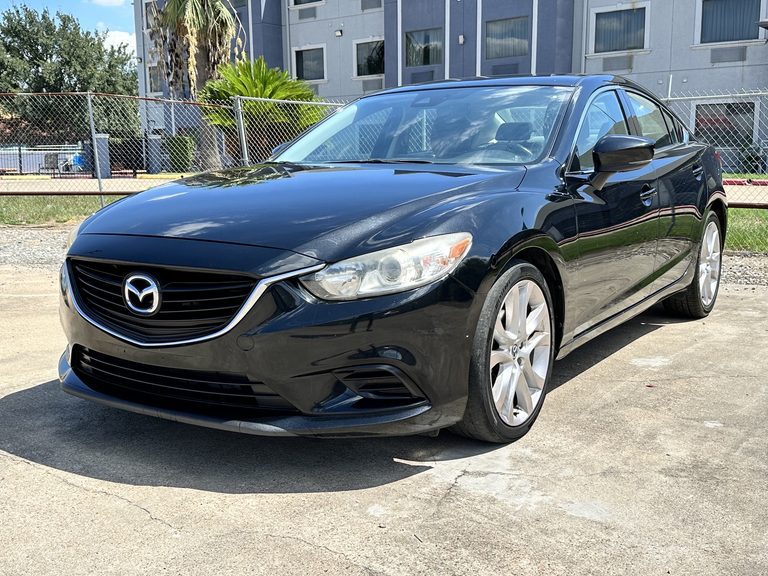
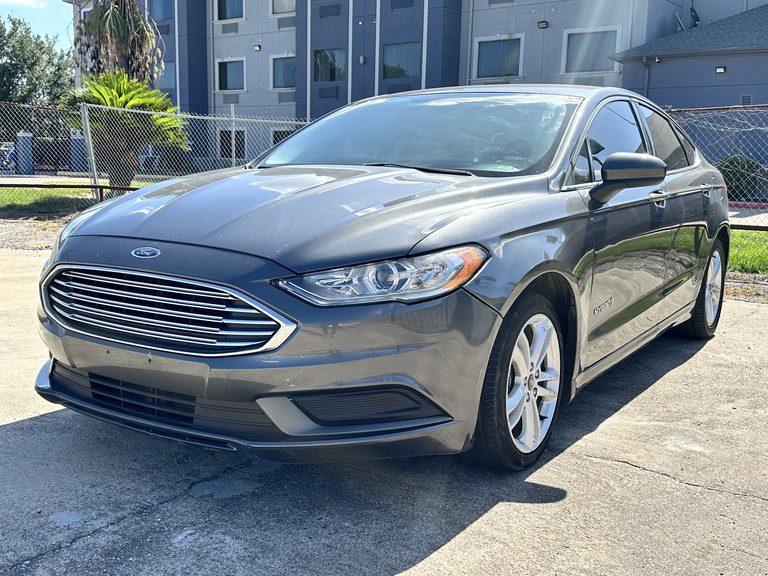
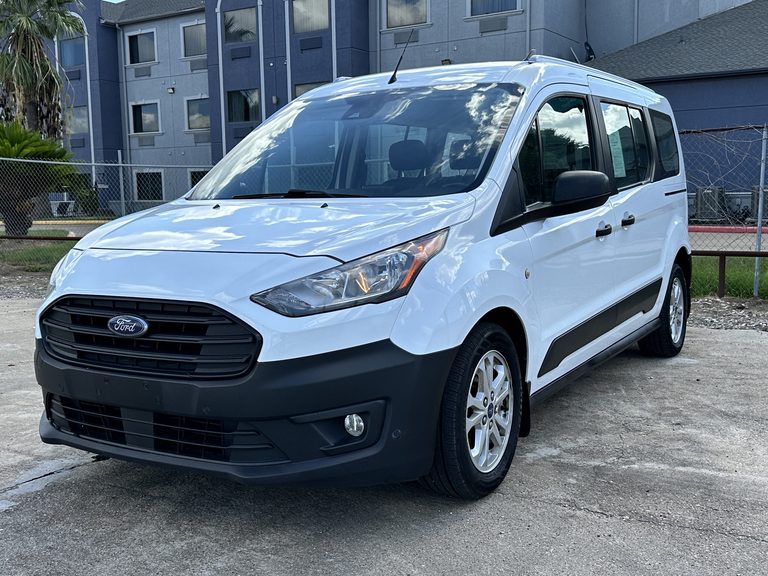
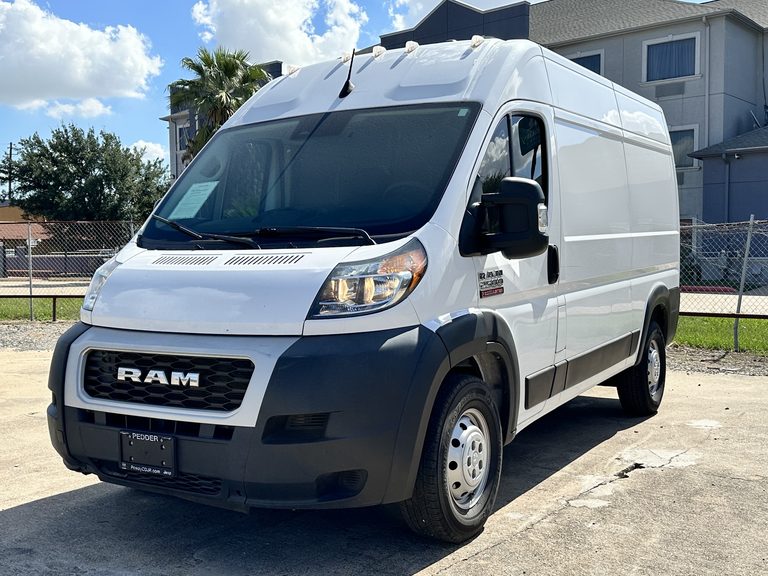
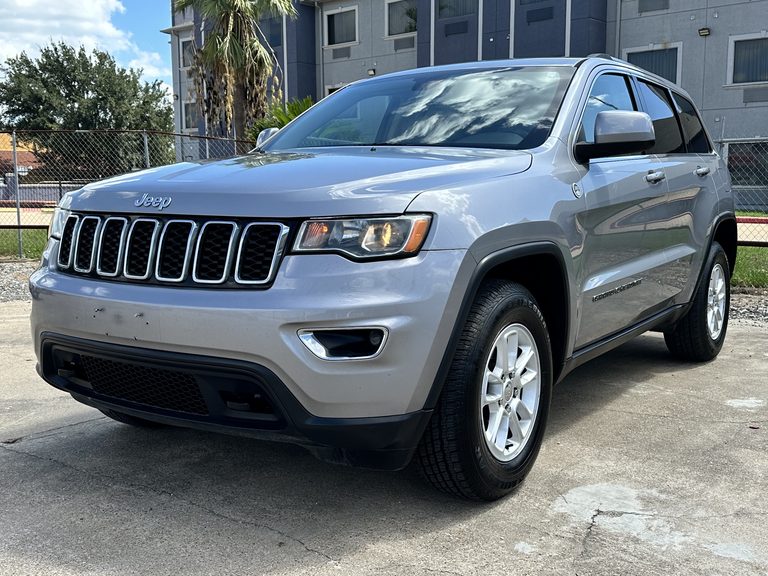
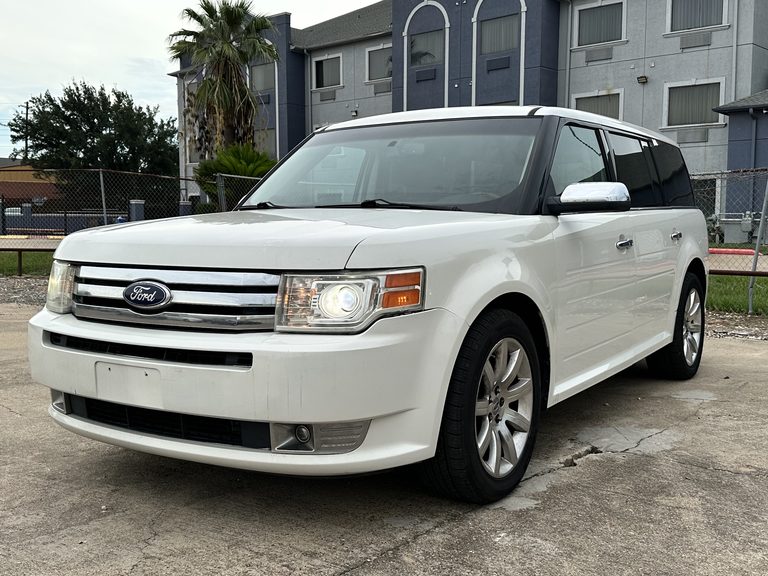
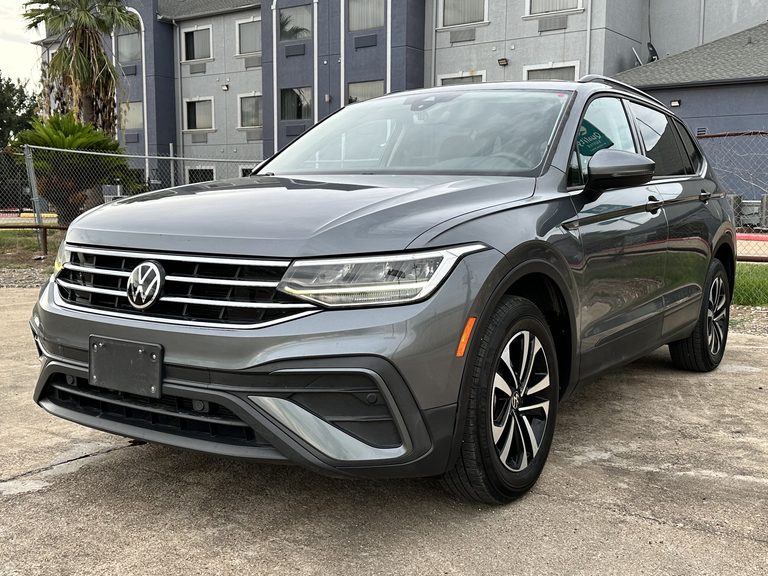
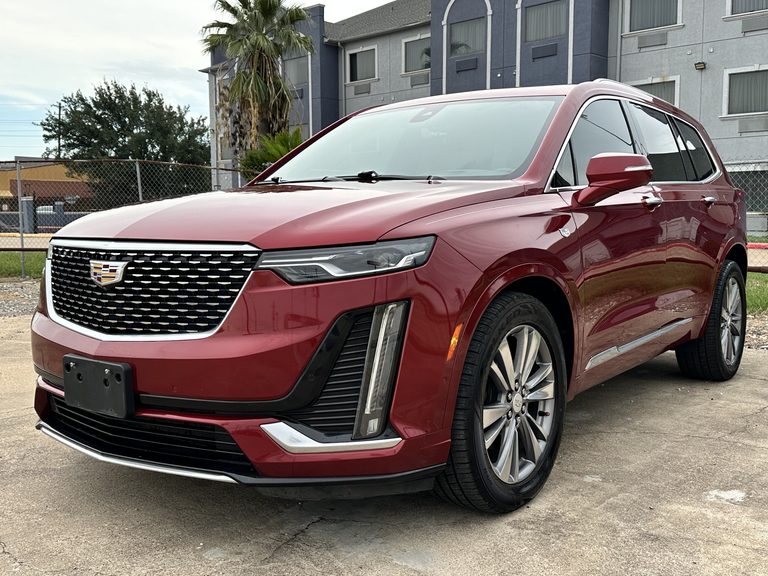
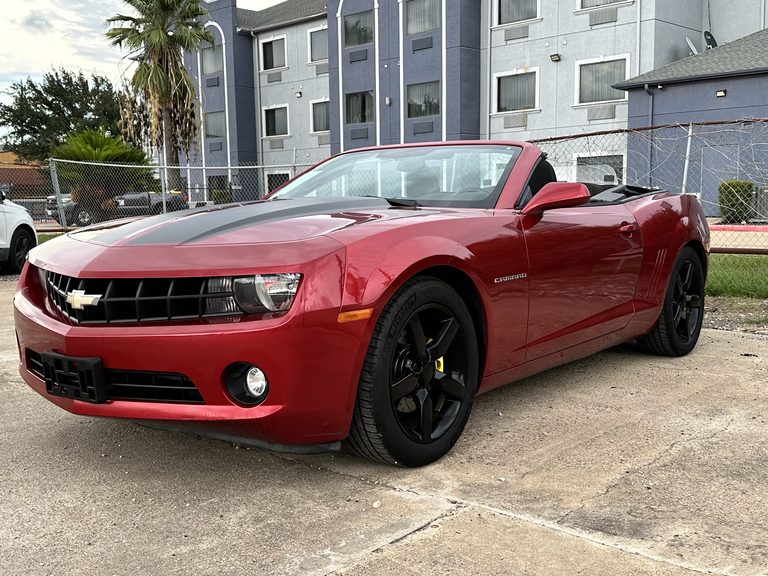
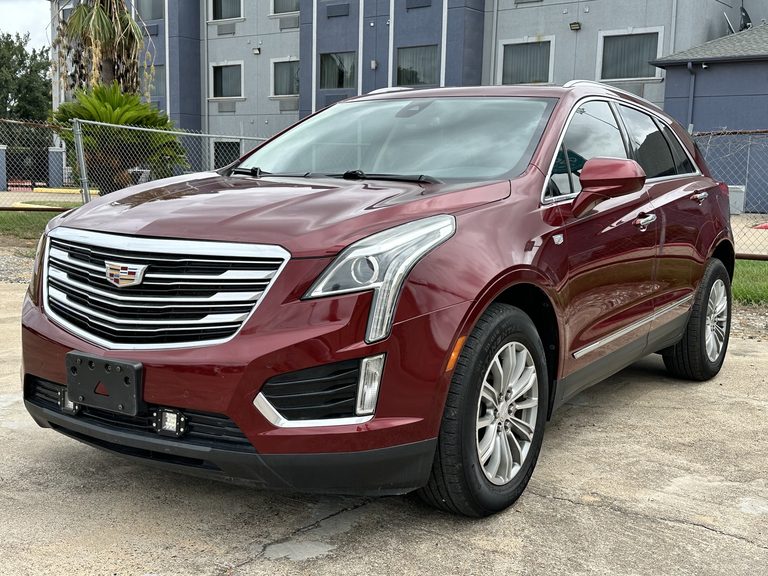
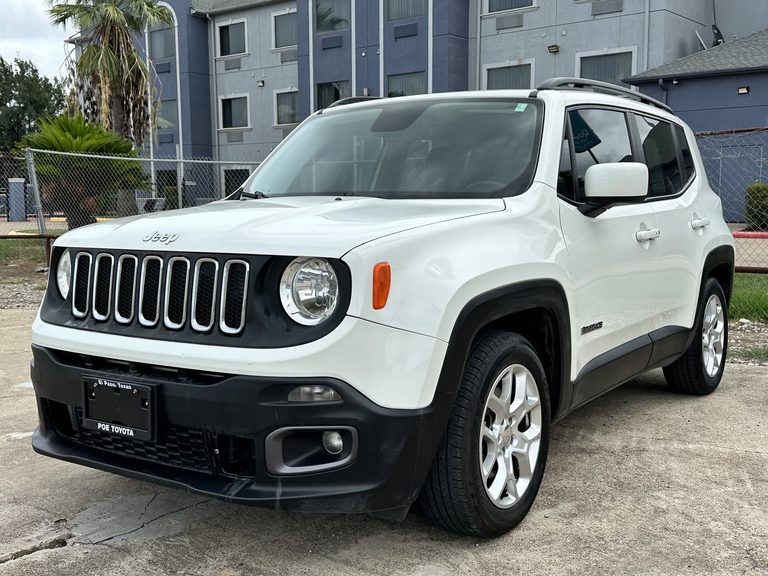
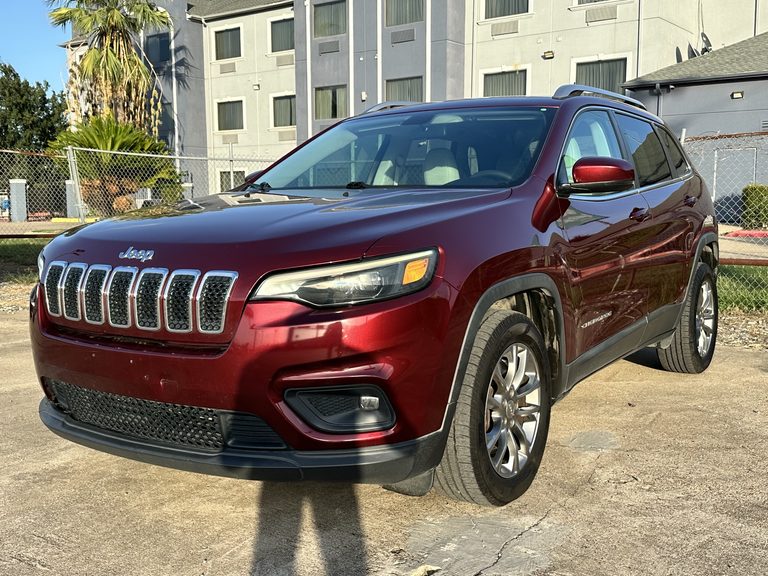
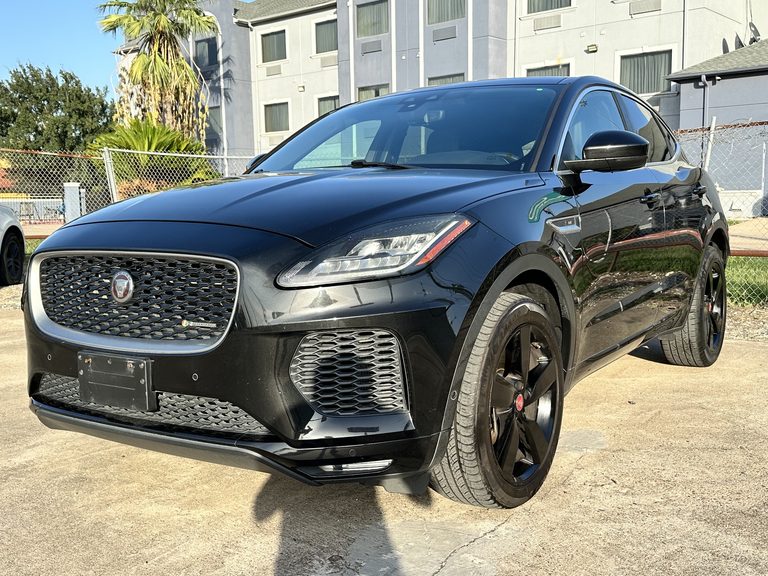
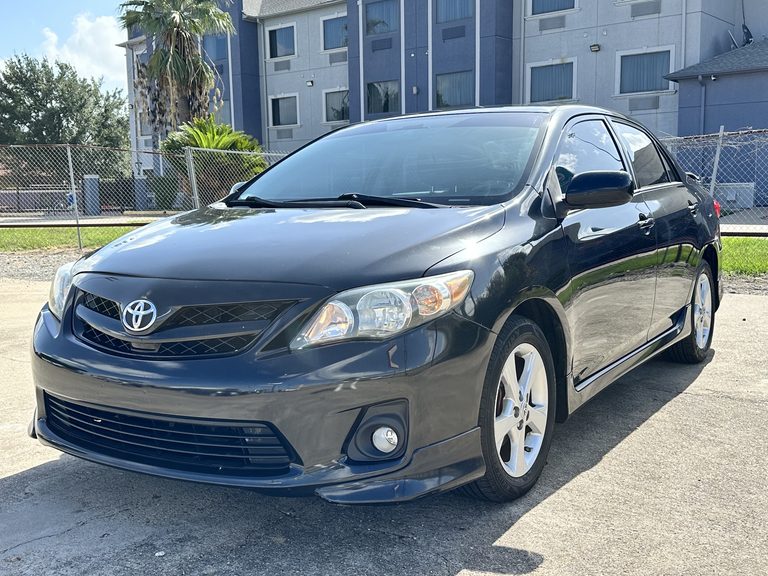
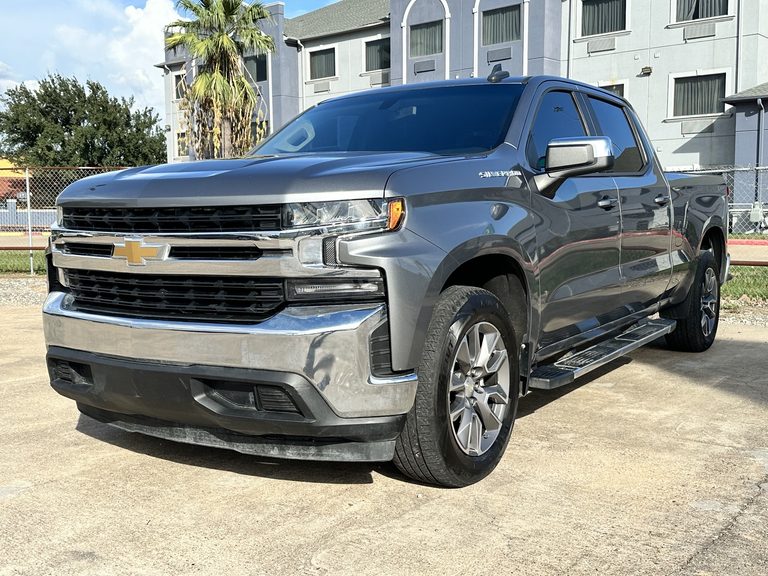
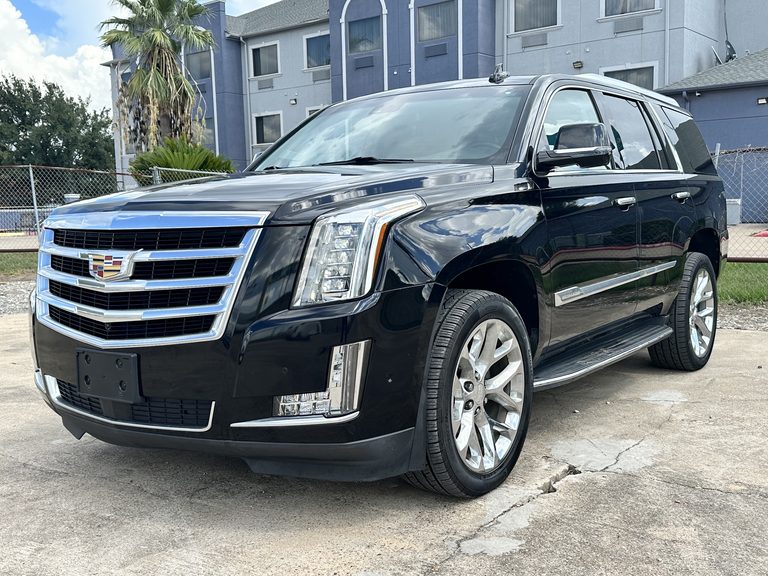
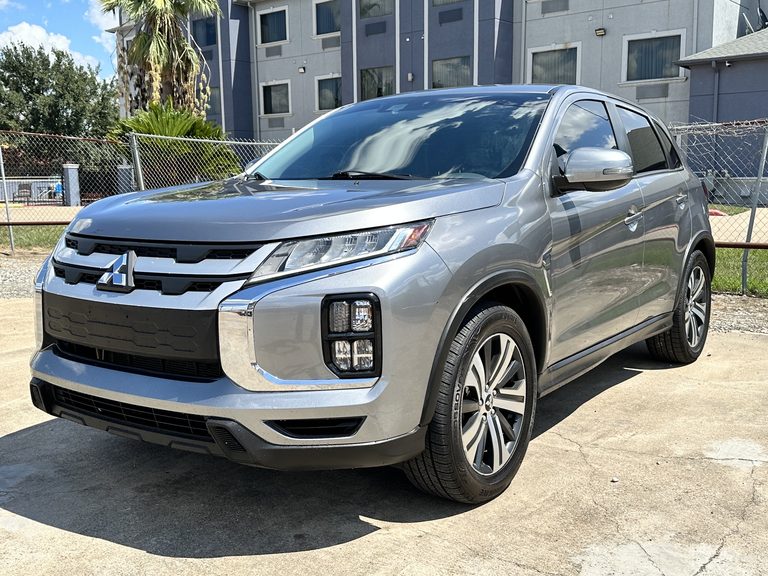
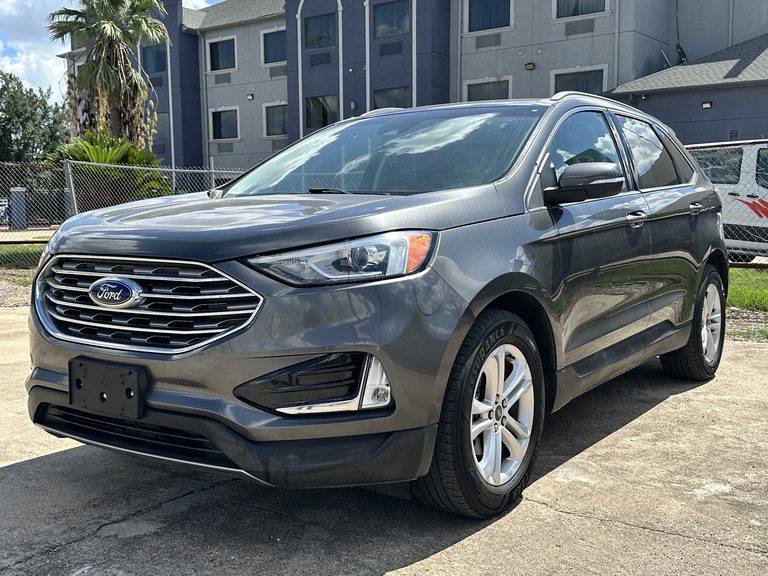
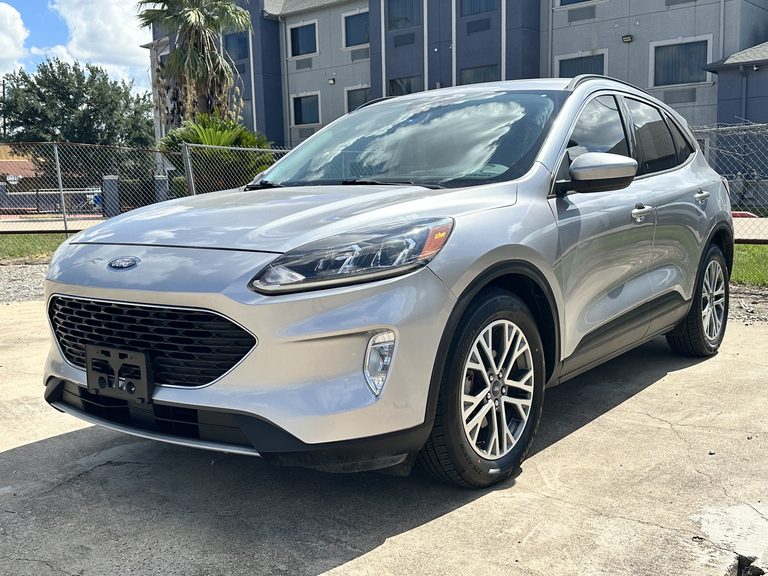
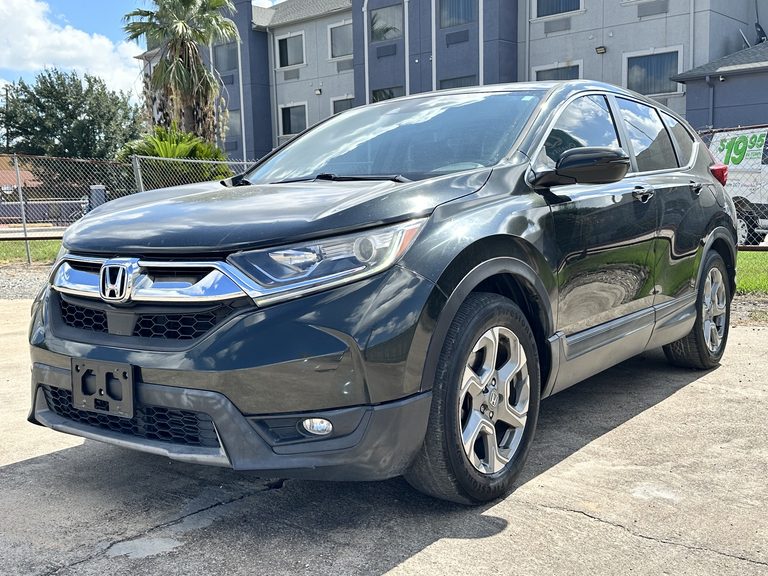
Open any vehicle photo, name, or details link to view that unit’s complete EZ Keys listing and photo gallery. City inventory pages also load the same WisePops inventory experience used on the main inventory page. Confirm availability, VIN, mileage, price, and an appointment at 17650 Northwest Fwy, Houston, TX 77065 before traveling.
Clear answers
Frequently asked questions
Does a clean title prove a vehicle has never been in water?
No. A title check is important, but records may not include every event. Combine title history with the Buyers Guide, inspection, service records, test drive, and written answers.
What clues can justify a deeper water-damage inspection?
Possible clues include residue, grit, staining under carpet, musty odor, unusual interior rust, dried mud under the dashboard, connector corrosion, or debris in protected component recesses. A qualified inspection should determine what they mean.
Should I travel to an appointment during flooding?
No. Do not enter flooded roads or bypass barricades. Confirm the appointment and destination, follow official weather and road guidance, and reschedule when travel is unsafe.
Does a service contract automatically cover water or corrosion problems?
No. Coverage depends on the written contract, exclusions, effective dates, maintenance duties, and claim process. Read the actual terms before deciding whether the product has value.
Does the Gulf Coast guide claim every vehicle has flood exposure?
No. It provides a careful screening process because the risk deserves attention. Conclusions should come from records and inspection of the specific VIN, not from the city where the vehicle is offered.
What service details can I receive after the city form?
The EZ Keys team can send a verified service response and the EZ Keys dealership at 17650 Northwest Fwy, Houston, TX 77065 details by email or return call. The response does not establish a city branch or local stock. Confirm inventory, a specific vehicle, financing, any hold, and the appointment separately before travel.
Helpful sources
Official resources used for this guide
Ready to find your next vehicle?
Visit EZ Keys Autos in Houston
Browse real vehicle listings, then visit the one EZ Keys dealership at 17650 Northwest Fwy, Houston, TX 77065. Confirm the exact vehicle, current availability, financing details, hours, and appointment before traveling.